
It’s Not Rotten, It’s Fermented: The Science and Nostalgia of Stinky Tofu in Toronto
A frown, a bite, and a rush of memories. Why are people so obsessed with Asia’s most misunderstood street food?
Frank·March 3, 2026·4 min read#多倫多#臭豆腐#Stinky tofu
If you walk near a subway station in Hong Kong, the scent finds you effortlessly. But in Toronto, hunting down authentic Stinky Tofu (臭豆腐) is a deliberate quest. You have to drive out to Pacific Mall in Markham or navigate the bustling crowds of summer night markets to catch that unmistakable waft in the air.
For the Asian diaspora in Canada, this fermented bean curd is more than just a street snack, it’s a badge of cultural identity. Every vendor guards their brine recipe fiercely. Some even bring "master brines" (滷水) all the way from Hong Kong or Taiwan, continuing to culture them right here on maple-leaf soil.
But for the uninitiated, the burning question remains: Why do we love something that smells like a warning sign?
Why Does Stinky Tofu Smell? The Magic of Fermentation
To answer this, we need to look at the chemistry of flavor. The secret lies in a shared process: fermentation.
Inside the traditional brine, microbes break down soybean proteins. This process produces sulfides and indole, the exact compounds that trick your nose into thinking the food has "gone bad." However, this same breakdown also releases massive amounts of glutamate and free amino acids, the holy grail of umami.
Research from food scientists shows that dozens of complex flavor molecules coexist within a single piece of stinky tofu. The "stink" and the "savory" are not opposing forces; they are born from the exact same chemical reaction. In the world of fermented foods, a stronger scent usually guarantees a higher concentration of umami. The old street adage, "The smellier, the better," isn't just a preference, it’s culinary science.
Neurogastronomy: Why Your Brain Changes Its Mind
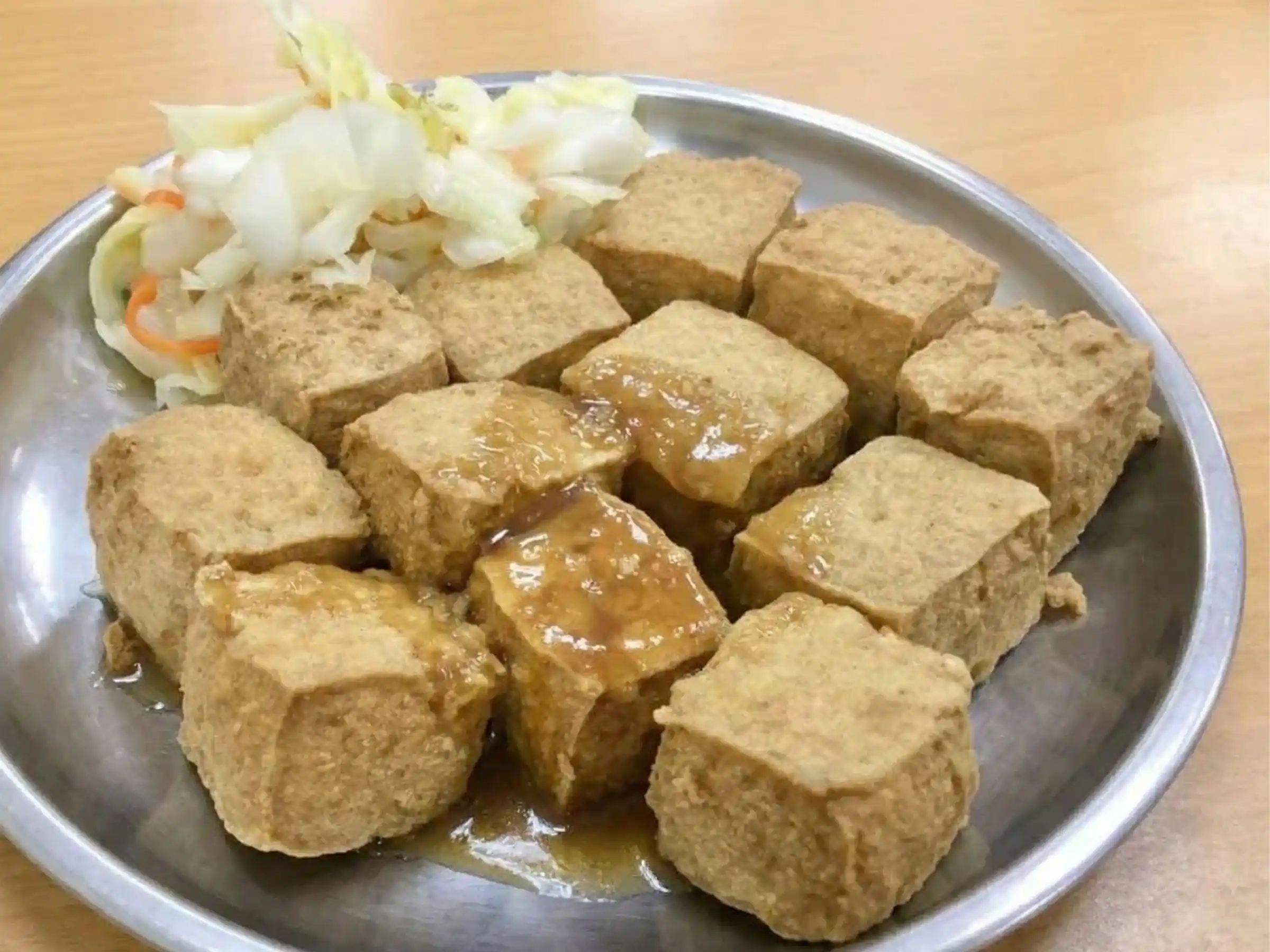
But how do we get past the smell? Yale neurobiologist Gordon Shepherd's theory of Neurogastronomy explains the two distinct pathways our bodies use to process scent:
Orthonasal Olfaction (Breathing In): When you smell stinky tofu from down the street in Scarborough, your brain's evolutionary defense mechanism kicks in, flagging the scent as "decay" or "danger."
Retronasal Olfaction (Eating): The magic happens when you take a bite. As you chew, the scent travels from the back of your mouth up into your nasal cavity. Your brain instantly recombines this aroma with the salt, the hot oil, and the deep umami flavor, completely recoding the experience.
At second one, you think: "This smells awful." At second two, your brain translates it to: "This is incredibly rich and savory." The molecules haven't changed; your brain just translated them into a different language.
"Benign Masochism": The Thrill of the Bite
Psychology plays a role, too. University of Pennsylvania psychology professor Paul Rozin coined the term "Benign Masochism." It's the human tendency to seek out safe but mildly distressing experiences. We love the thrill of riding rollercoasters, watching horror movies, or eating blisteringly spicy foods. Stinky Tofu works on the exact same principle.
That first pungent whiff triggers your primal instincts to back away. But because your rational mind knows it’s safe, surviving that "danger" gives you a rush. When the tension turns out to be a false alarm, your brain releases a wave of pleasure. We aren't just addicted to the taste; we are addicted to the psychological transformation from fear to joy.
A Scent Time Machine for Toronto’s Expats

Neuroscience tells us that our olfactory bulb is directly connected to the brain's limbic system, the center of emotion and memory. A single scent can transport you back in time faster than any photograph.
For Hong Kongers living in Toronto, a perfectly fried, golden-crisp cube of stinky tofu isn't just food. It’s a time machine. It’s the small joy of a post-school snack at a public housing estate. It’s the hurried, piping-hot bite before tutoring classes. It’s the echoes of laughter with friends fighting over the last piece at midnight.
That scent, which once made you wrinkle your nose, slowly becomes a familiar portal to a younger self—one that hadn't yet left home, before life smoothed out your edges. When you take a bite on a freezing Canadian winter night, you aren't just tasting umami. You are tasting familiarity.
The Takeaway: Finding Layers in the Unfamiliar
The true charm of Stinky Tofu was never just about its flavor. It teaches us a profound lesson: Some of the best things in life are unappealing in the first second.
But if you are willing to lean in, the complex layers will reveal themselves. Perhaps for immigrants adapting to a new life in Toronto, the journey is much the same. The first year might feel difficult to accept, hard to blend into, and tough to endure. But give it time, and you start to taste your own unique flavor in the city.
That’s why, even thousands of miles away from home, we are still willing to line up in the cold, buy a skewer, and proudly explain to our Western friends:
"It’s not rotten. It’s fermented."