This article is not available in English yet. Showing the Chinese version below.
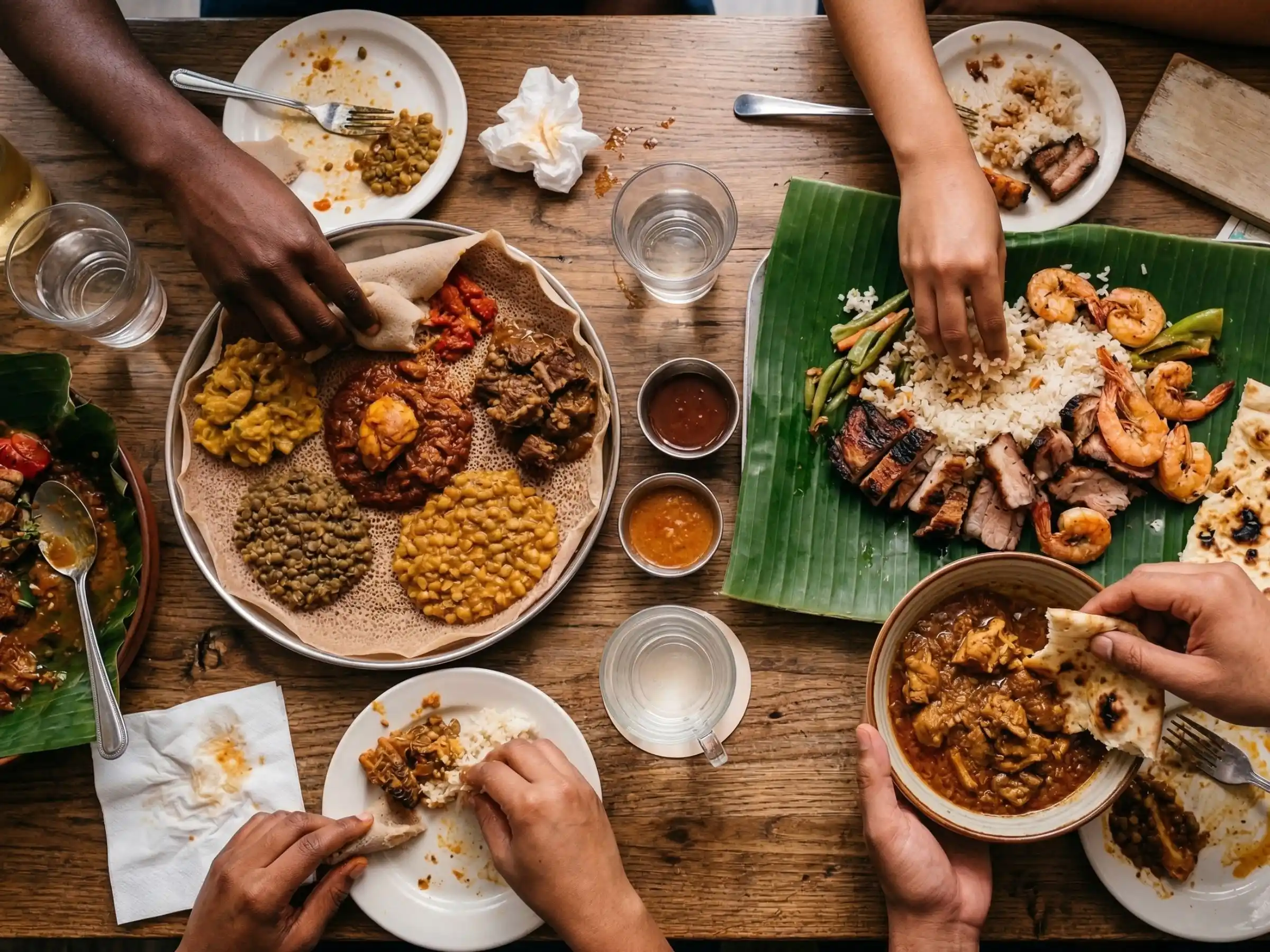
在多倫多,學會用最古老的餐具吃飯 — 手
喺多倫多生活耐咗,你會慢慢發現依個城市有好多唔同食飯嘅方式。
Frank·March 9, 2026·4 min read#用手食飯#eating with hands#多倫多#Toronto restaurants#埃塞俄比亞菜
Restaurant Map (3)
Restaurants in this article (3)
Tap through for ratings, menus and member reviews.
多倫多用手食飯文化:餐廳體驗指南
喺市中心嘅 food court,有人拎著叉食沙律;喺唐人街嘅茶餐廳,有人熟練地用筷子夾雲吞麵;喺 Gerrard Street 嘅印度餐廳,有人將 naan 撕成小塊,用手沾著濃稠嘅咖喱,將米飯與醬汁混合,捏成小團,再送入口中。
喺我哋熟悉嘅飲食禮儀裡 餐具似乎象徵著文明
刀叉、筷子、銀匙,被視為秩序與修養嘅一部分。於是當有人用手吃飯,好多人第一個反應就係: 咁樣會不會不衛生?
但事實係,喺南亞與中東嘅飲食文化入面,用手進食從來不是一種隨意的習慣。
它有自己一套嚴格嘅禮儀、衛生規範,同埋長久累積嘅文化理解。佢哋喺進食前與飯後都必須仔細清潔雙手。對唔少人而言,自己親手洗乾淨嘅手,甚至比餐廳裡未必清洗徹底嘅金屬餐具更可靠。
對全球許多文化而言,手從來唔係餐具的替代,佢本身就係最原始嘅餐具。但點解有啲地方嘅人,會選擇用手吃飯?依個習慣,其實同時連接住古老嘅哲學、人體嘅感官系統,以及人類如何理解食物。
五行哲學到神經美食學?
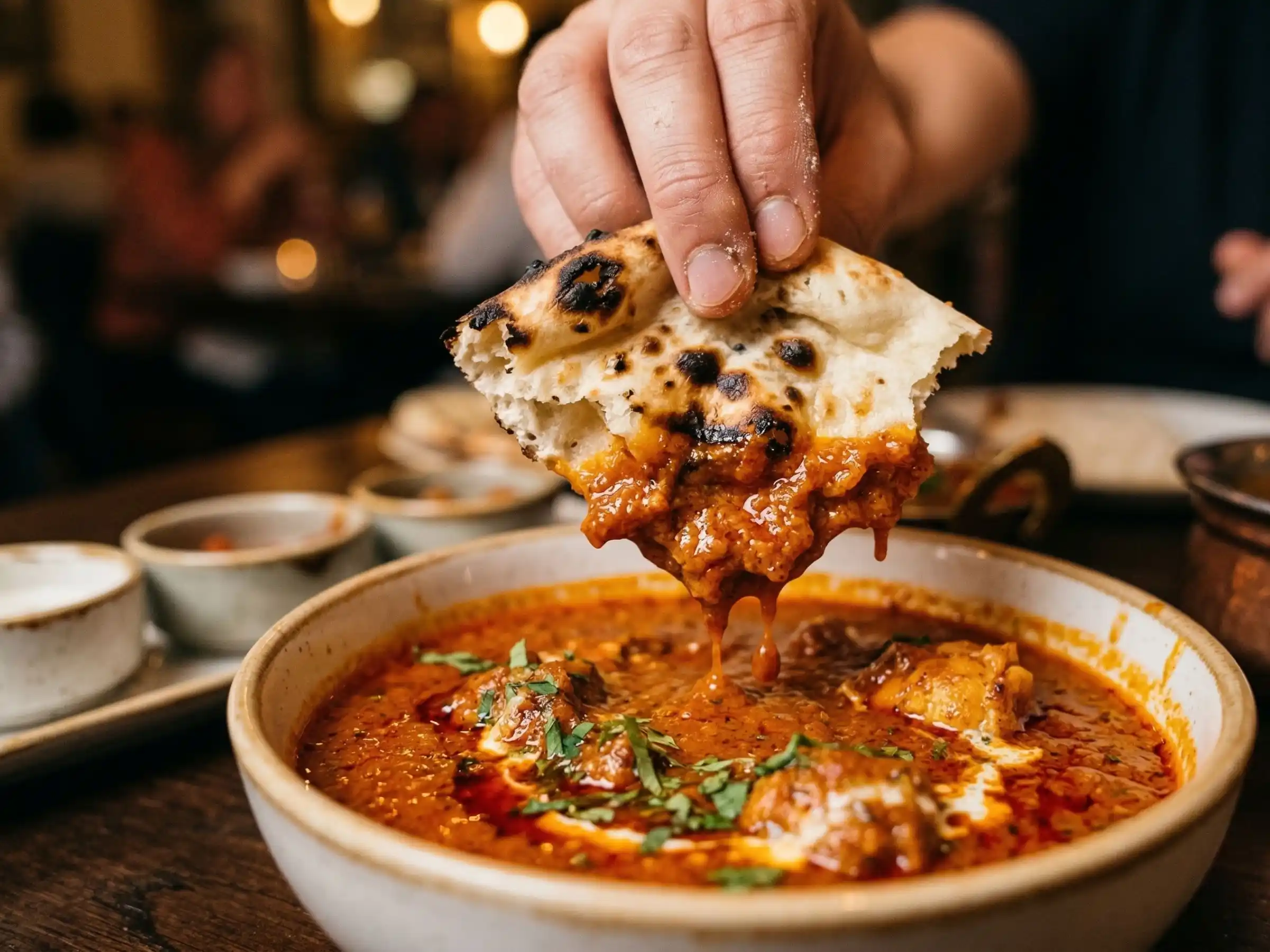
喺古印度傳統醫學「阿育吠陀」(Ayurveda)嘅觀念入面,人同宇宙一樣,由五種元素組成:火、風、空、地、水。
而人嘅五隻手指,正好對應依五種元素。當人用手將米飯、咖喱或麵餅輕輕混合,再送入口,依個唔只係一個動作,更係一種讓身體與自然重新連結嘅儀式。
依個看似充滿哲學意味嘅說法,喺現代科學入面竟然可以搵到呼應。
英國牛津大學實驗心理學教授 Charles Spence 提出「神經美食學」(Gastrophysics)概念,指出進食其實是一種多感官體驗。當指尖直接觸碰食物時,大量神經末梢會即時把食物的溫度、濕度與質地傳送到大腦。
換言之,喺食物真正進入口之前,大腦已經開始建構對味道嘅期待。
味覺,其實早在指尖掂到食物嗰刻就開始。
指尖食先可以養生?
除咗感官,手同食物嘅接觸都會影響身體嘅消化機制。
喺印度與中東文化中,用手吃飯經常被視為一種順應身體節奏嘅養生方式。人們相信,手指接觸食物時,能幫助身體更好地準備進食。
現代生理學其實有一個相近嘅概念,叫做「頭相消化」(Cephalic phase of digestion,根據美國國家生物技術資訊中心 NCBI 的醫學文獻
當手指觸碰到食物的溫度與質地時,大腦會收到更強烈的訊號。身體因此更早進入「準備進食」的狀態。
某種程度上,雙手就好似消化系統嘅啟動開關。
用手食會改變味覺?
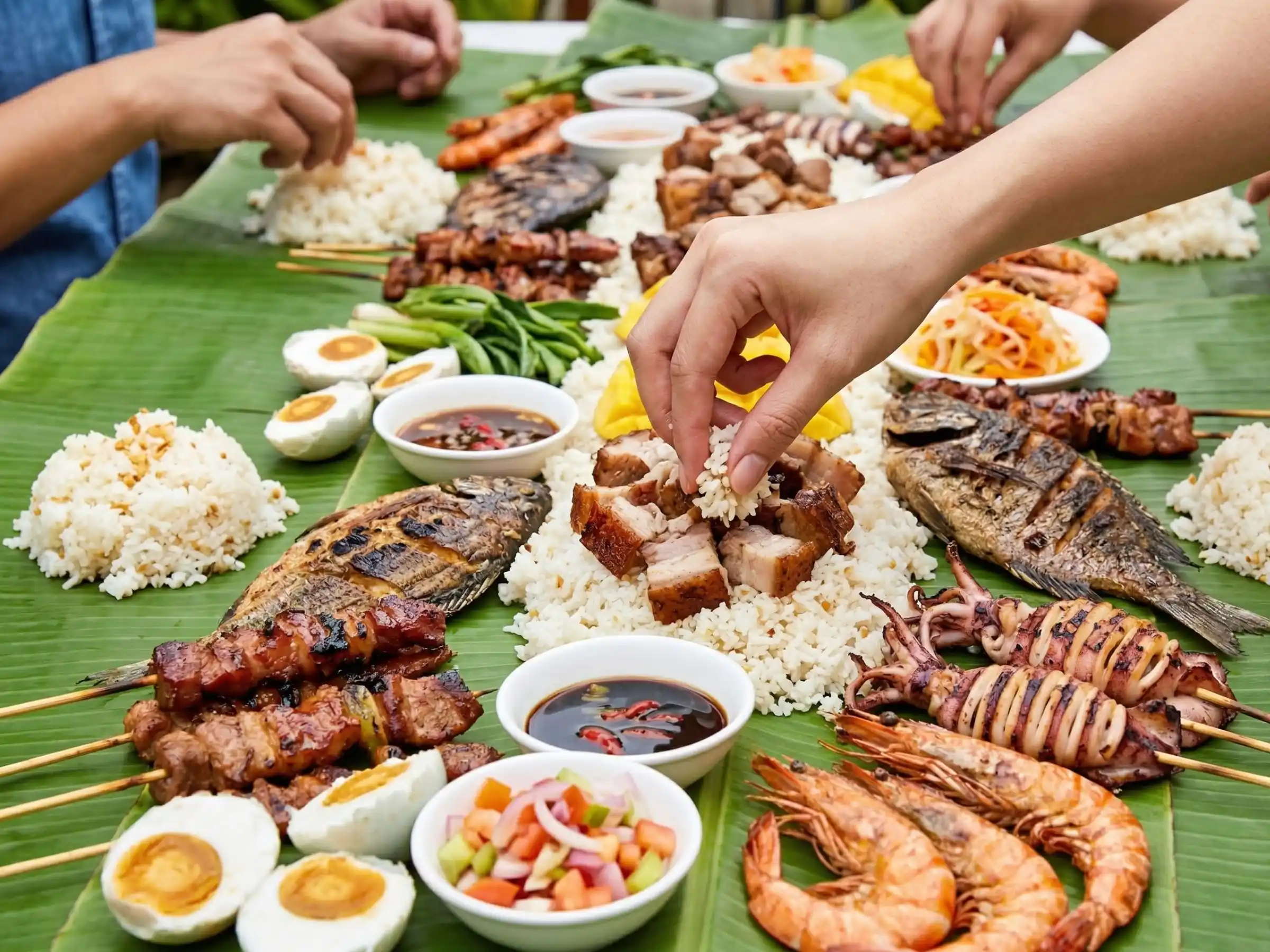
喺好多文化入面,用手吃飯係被視為一種對食物嘅尊重。
摒棄冰冷嘅金屬餐具,直接以帶有體溫嘅雙手接觸食物,被認為能建立人與食物之間更親密嘅關係。
依種「情感連結」同樣被心理學研究所支持。
美國 Stevens Institute of Technology 發表於《Journal of Retailing》嘅研究指出,當人們直接用手接觸食物時,感官刺激會變得更強烈。特別對於平時飲食較克制嘅人嚟講,用手進食會帶嚟更高嘅愉悅感與滿足感。
同時,用手進食通常會自然放慢速度。依種節奏與現代營養學提倡嘅「正念飲食」(Mindful eating)不謀而合。
當進食變慢,大腦更容易感受到飽足,防止暴飲暴食。食物不只是被吃下,而是被真正體驗。
當手伸向食物
也許,餐具從來唔只係工具。佢其實係一種文化嘅距離。刀叉讓食物與手之間保持禮貌嘅間隔。筷子讓食物喺空中被精準地夾起。而喺某啲文化,人們選擇將距離縮短,讓指尖先觸碰食物嘅溫度,再讓味道進入口中。唔係因為佢地落後,更唔係因為佢地唔注重衛生。而係因為喺佢地嘅文化入面相信: 食物應該被感受,而唔只係被處理。
生活喺多倫多咁多元文化嘅城市,我哋每日都喺唔同文化之間穿梭。喺日常生活中,我哋學會新嘅語言、新嘅習慣、新嘅理解。
某一日,你可能會喺餐桌前發現一件小事——餐具只係唔同文化,與食物之間嘅距離。用手又好,用筷子又好,用刀叉又好,大家都只係喺呢座城市生活嘅人。喺繁忙之外,各自尋找一張餐桌——一處可以放下包袱,做返自己,用自己文化嘅方式食一餐飯嘅地方。
當手伸向食物嘅嗰一刻,人類其實只是回到最原始、亦都係最誠實嘅方式,用身體記住味道。
親手感受多倫多的多元風味
如果你都想放低餐具,親自體驗呢種「指尖先食」嘅原始風味,多倫多其實有好多好選擇。你可以去 Danforth 嘅衣索比亞餐廳 Rendez-Vous,同朋友圍住一大盤發酵麵餅 Injera,用手撕低麵餅夾住香濃嘅燉肉同豆蓉一齊食;或者去 St. James Town 嘅 Tinuno 體驗菲律賓傳統嘅 Kamayan 盛宴,喺鋪滿芭蕉葉嘅長枱上,直接用雙手抓食烤豬肉、海鮮同蒜蓉飯;當然仲有 Gerrard India Bazaar 嘅 Lahore Tikka House,用手撕開熱辣辣、帶有炭香嘅 Naan 點濃稠嘅咖喱。下次出去食飯,不妨試下放低刀叉同筷子,用你嘅雙手,重新認識食物嘅溫度同質感。
常見問題
用手食飯衞生嗎?
只要洗乾淨手,用手食飯係衞生嘅。好多文化都有用手進食嘅傳統,手指嘅觸感仲可以增加對食物嘅感知。喺餐廳用手食,記得用右手,呢係基本禮儀。
多倫多邊度可以體驗用手食飯?
多倫多可以去Danforth嘅衣索比亞餐廳體驗用手食飯,用injera餅配菜食,係最地道嘅食法。
埃塞俄比亞菜嘅 injera 係咩?
Injera 係埃塞俄比亞傳統酸味薄餅,用苔麩粉發酵製成,口感煙韌帶酸。食嘅時候撕一小塊 injera,捲住餸菜一齊食,一餅兩用,又做餐具又做主食。
用手食飯有咩好處?
神經美食學研究指出,用手觸摸食物可以啟動更多感官,增加食慾同滿足感。手指感受到食物嘅溫度同質感,令大腦對味道有更完整嘅感知。
Related articles
Explore more
Last updated: June 4, 2026